


-

Add: HeBei ShengShi HongBang Cellulose Technology CO.,LTD.
-

Email
13180486930@163.com -

CONTACT US
+86 13180486930
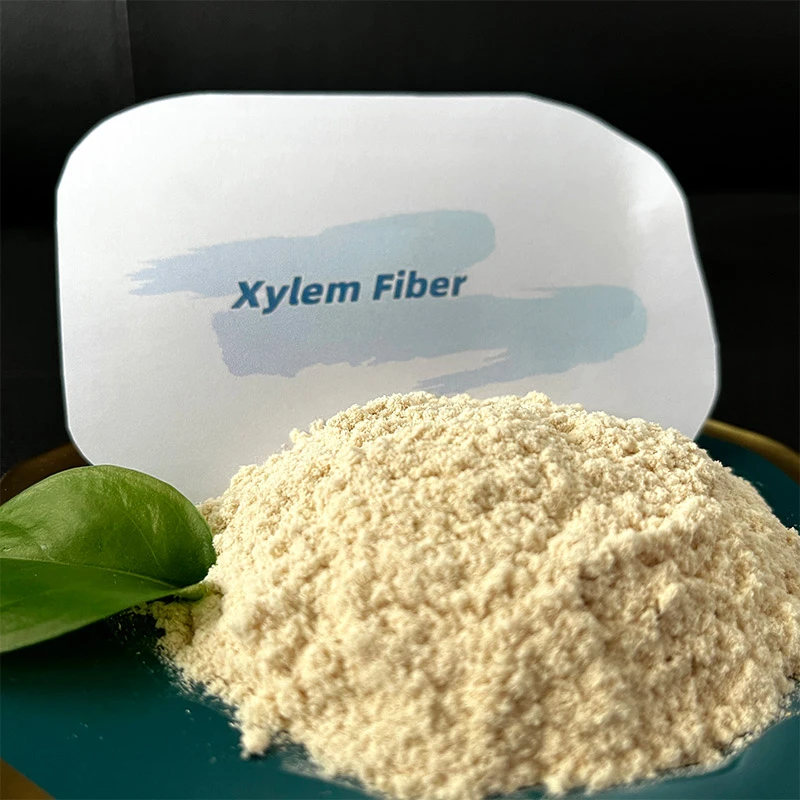

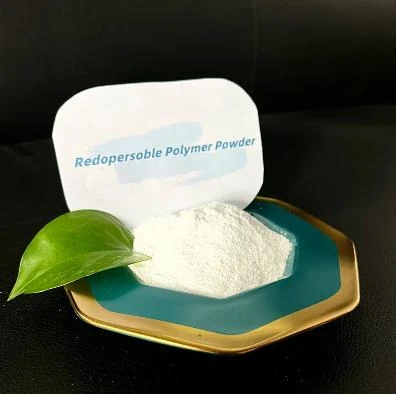


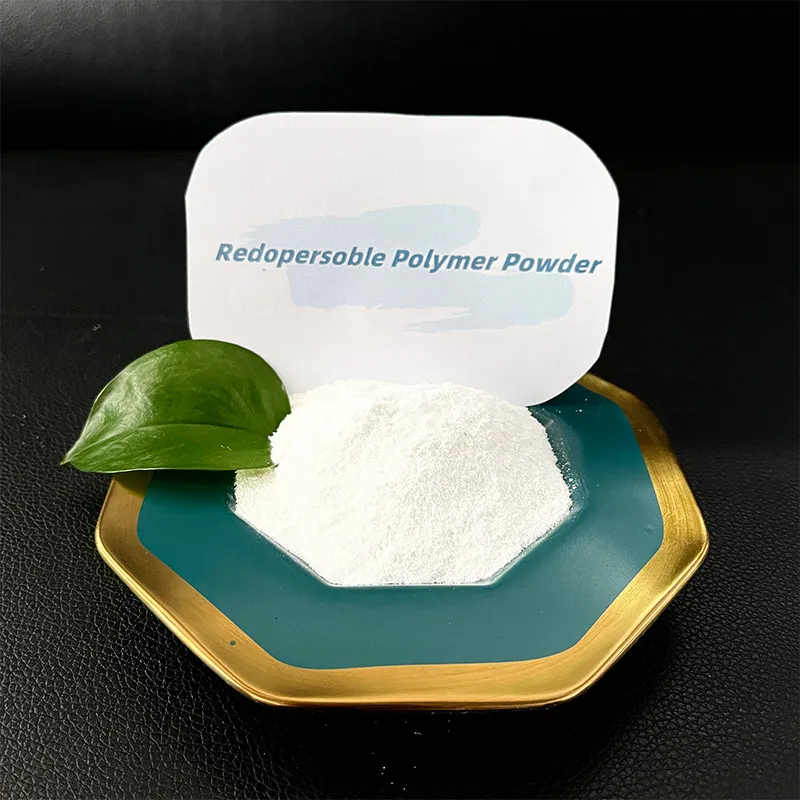
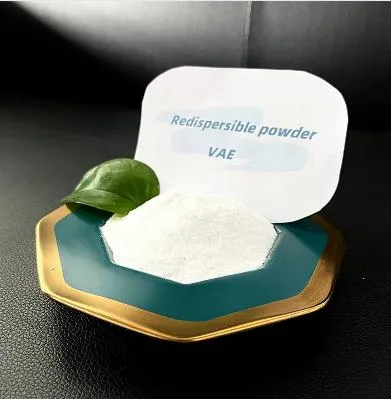
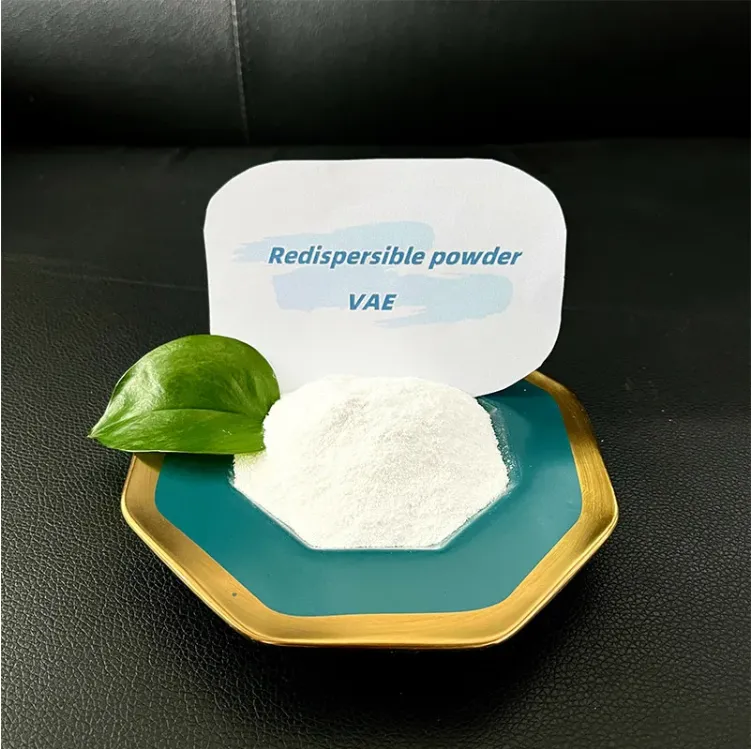
Polymer powder is a key ingredient in many industries, providing critical properties to products in construction, adhesives, coatings, and more. With its wide range of applications, polymer powder enhances the performance, durability, and flexibility of finished products. Available in various forms, polymer powder s can be tailored to meet the specific needs of different applications, making them a versatile choice for manufacturers worldwide. Whether you're working in construction, paints, or textiles, polymer powder offers the ideal solution for improving your products’ functionality. Explore Our Range of Colored Polymer Powder If you need vibrant, long-lasting colors in your products, colored polymer powder is the way to go. Whether you're producing construction materials, decorative coatings, or consumer goods, colored polymer powder offers an efficient way to introduce rich, stable colors into your products. Our premium colored polymer powder is designed to maintain its brightness and consistency, ensuring your products stand out. With a wide selection of shades, you can achieve the exact color you need while maintaining high quality and performance. The Benefits of Redispersible Polymer Powder Redispersible polymer powder is a game-changer in many industrial applications. Unlike traditional resins, redispersible polymer powder can be re-dispersed in water to create a solution, which offers greater convenience and efficiency for various processes. Widely used in adhesives, tile grout, and plaster, redispersible polymer powder enhances bonding strength, flexibility, and durability. This type of polymer powder is particularly valued in the construction and building materials sectors, providing superior performance while reducing transportation and storage costs. Discover the many benefits of using redispersible polymer powder in your formulations today. What Influences Polymer Powder Price? When considering polymer powder price , it’s important to understand the factors that affect the cost. The polymer powder price can vary depending on the type of polymer used, the quantity purchased, and the specific application for which the powder is intended. High-performance polymer powder may be priced higher due to its specialized formulations, while larger orders typically reduce the cost per unit. Additionally, polymer powder price can also depend on the presence of additives, colorants, and whether the polymer powder is customized for particular applications. To ensure you're getting the best value for your needs, always consider both the performance and the cost-effectiveness of the polymer powder price . Why Choose Our Polymer Powders for Your Business? Our polymer powder products are crafted with the highest standards of quality and performance, ensuring that your manufacturing processes run smoothly. From colored polymer powder to redispersible polymer powder , we offer a comprehensive selection that suits a wide variety of industries. Our polymer powder solutions are designed to enhance the quality of your final products, increase production efficiency, and offer cost-effective solutions for your business. With competitive polymer powder price s, we guarantee the best value for your investment. Whether you need a specialized formula or a standard polymer powder , our products are the perfect addition to your production line. Polymer Powders FAQs What is polymer powder? Polymer powder is a fine, dry material made from polymers, typically used in various industrial applications to improve the properties of products like adhesives, coatings, and construction materials. It is valued for its ability to enhance flexibility, strength, and durability in the final product. Polymer powder can come in different types, such as colored polymer powder or redispersible polymer powder , each serving specific functions depending on the industry. What is colored polymer powder used for? Colored polymer powder is primarily used to add vibrant colors to products such as construction materials, coatings, and consumer goods. The color pigments are stable and long-lasting, ensuring that the final product maintains its color over time, even under challenging conditions. It’s ideal for applications where both color and performance are important, making it perfect for industries like construction, automotive, and packaging. What is redispersible polymer powder and how is it used? Redispersible polymer powder is a special type of polymer powder that can be re-dispersed in water, forming a solution that can be easily applied in a variety of industrial processes. It’s commonly used in adhesives, tile grouts, and plaster, where it improves bonding strength, flexibility, and water resistance. The ability to re-dispense the polymer powder in water makes it a more convenient and cost-effective solution for many manufacturing processes. How does the polymer powder price vary? The polymer powder price depends on several factors, including the type of polymer used, the quantity purchased, and whether any special additives or colors are involved. Specialty redispersible polymer powder sand colored polymer powder s often come at a higher price due to their advanced formulations. Additionally, larger volume purchases can reduce the polymer powder price per unit, offering better cost-effectiveness for bulk orders. Why should I choose your polymer powders? Our polymer powder sare craftedto meet the highest standards of quality, ensuring that your products perform at their best. We offer a wide selection of colored polymer powder s and redispersible polymer powder s, all designed to enhance the durability, flexibility, and performance of your products. Our polymer powder price is competitive, offering you the best value for your investment. Whether you’re in construction, coatings, or any other industry, we have the perfect polymer powder solution for you.
- 40000tons

Production
- 20+years

Experience
- 5000+㎡

Acreage

-
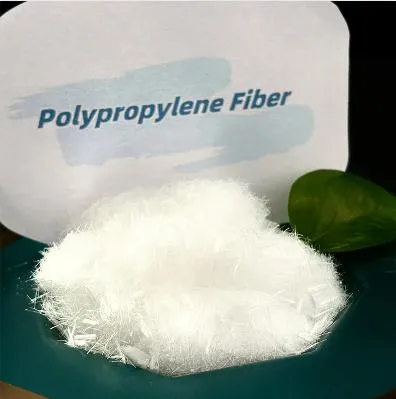
In recent years, polypropylene fiber for sale has gained significant traction as an essential additive in construction, particularly in the production of high-performance concrete. These fibers, made from a synthetic polymer, offer a wide range of benefits that improve the durability, strength, and performance of concrete structures. Whether you are constructing roads, buildings, or pavements, integrating polypropylene fiber for sale into your concrete mix can lead to superior results. The popularity of polypropylene fiber for sale has skyrocketed due to its cost-effectiveness and ability to enhance the physical properties of concrete. This type of fiber is known for its resistance to corrosion, reduced cracking, and improved overall flexibility. As an integral part of modern construction materials, polypropylene fiber for sale helps increase the longevity of concrete, reducing the need for frequent repairs or maintenance. In this article, we’ll explore the various uses of polypropylene fiber , how it improves pp fiber concrete , and the differences between fibre natural and synthetic fibers. The Role of Polypropylene Fiber in Concrete Applications Polypropylene fiber plays a crucial role in improving the structural integrity and performance of concrete. These fibers are incorporated into concrete mixtures to prevent cracking and improve the material's resistance to wear and tear. Polypropylene fiber works by distributing the stress throughout the concrete, thereby reducing the potential for cracking caused by shrinkage, thermal expansion, or external loads. When added to pp fiber concrete , these fibers enhance the overall toughness and impact resistance of the material, making it more resilient to sudden stresses, vibrations, and other environmental factors. Unlike traditional reinforcement methods, polypropylene fiber does not compromise the workability of the concrete but instead improves its flow and ease of application. The fibers help maintain uniformity and consistency in the mixture, ensuring that the concrete sets correctly and performs well over time. Whether you are working on residential, commercial, or infrastructure projects, the inclusion of polypropylene fiber in your concrete mix can lead to more durable and long-lasting results. It is especially useful in areas subject to frequent temperature fluctuations, freeze-thaw conditions, or high traffic, where concrete's performance is often tested. Benefits of Using PP Fiber Concrete in Modern Construction The use of pp fiber concrete is rapidly becoming a standard in modern construction due to its numerous advantages. PP fiber concrete refers to concrete that has been reinforced with polypropylene fibers, providing an added layer of protection and strength. This type of concrete has been shown to exhibit superior resistance to cracking, especially when exposed to shrinkage or tension stresses during the curing process. One of the key benefits of pp fiber concrete is its enhanced durability. The polypropylene fibers act as micro-reinforcements, which help distribute stress and absorb shock, significantly reducing the risk of cracks and improving the concrete's overall lifespan. This is particularly important in environments subject to heavy wear, such as highways, bridges, and industrial flooring. PP fiber concrete also has improved flexibility compared to traditional concrete, which allows it to handle dynamic forces without failing. Understanding Fibre Natural and Synthetic Variants When it comes to reinforcing materials, there are two primary categories of fibers: fibre natural and synthetic . Understanding the differences between these two types is crucial for selecting the right fiber for specific applications. Fibre natural fibers, such as those derived from plant sources like hemp, jute, and flax, are renewable and biodegradable, offering an eco-friendly alternative for construction applications. These fibers are primarily used in lightweight and non-structural concrete applications where sustainability and environmental impact are key concerns. However, fibre natural fibers generally have lower strength and durability compared to their synthetic counterparts, and they may be more susceptible to degradation in humid or wet environments. When it comes to pp fiber concrete , synthetic fibers like polypropylene fiber are the best option for enhancing performance, as they offer superior resistance to mechanical stresses and environmental conditions. Fibre natural fibers, while useful in some niche applications, do not provide the same level of performance and longevity as polypropylene fiber in concrete reinforcement. Polypropylene Fiber for Sale: Cost-Effectiveness and Availability If you are considering incorporating polypropylene fiber into your construction projects, polypropylene fiber for sale is widely available and cost-effective. The price of polypropylene fiber for sale is influenced by several factors, including the quality, quantity, and source of the material. However, despite these variables, polypropylene fiber for sale remains one of the most affordable options for reinforcing concrete, making it an attractive choice for contractors looking to improve concrete strength without raising project costs. Purchasing polypropylene fiber for sale in bulk or through trusted suppliers ensures that you get high-quality material at competitive prices. Whether you’re working on a large-scale infrastructure project or a smaller residential build, polypropylene fiber for sale can be an economical way to enhance the durability and performance of your concrete without breaking the budget. Given its long-lasting benefits and relatively low cost, polypropylene fiber for sale offers excellent value for money in both short- and long-term construction projects. P olypropylene fiber for sale , particularly in the form of pp fiber concrete , offers significant advantages in construction projects, making it an ideal choice for enhancing concrete durability, strength, and performance. The use of polypropylene fiber can improve the workability of concrete, reduce the risk of cracking, and extend the lifespan of structures. With its cost-effectiveness, superior resistance to environmental conditions, and availability in the market, polypropylene fiber for sale is an essential material for modern construction. Whether you are looking to strengthen your concrete or improve its overall performance, incorporating polypropylene fiber into your mix is a smart investment. By understanding the differences between fibre natural and synthetic fibers, you can make informed decisions about which reinforcement material best suits your needs. With the growing demand for durable, long-lasting construction materials, polypropylene fiber is quickly becoming a staple in the construction industry.
-
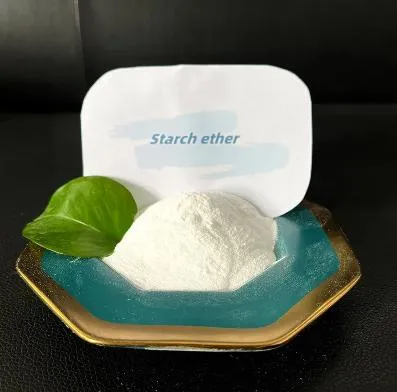
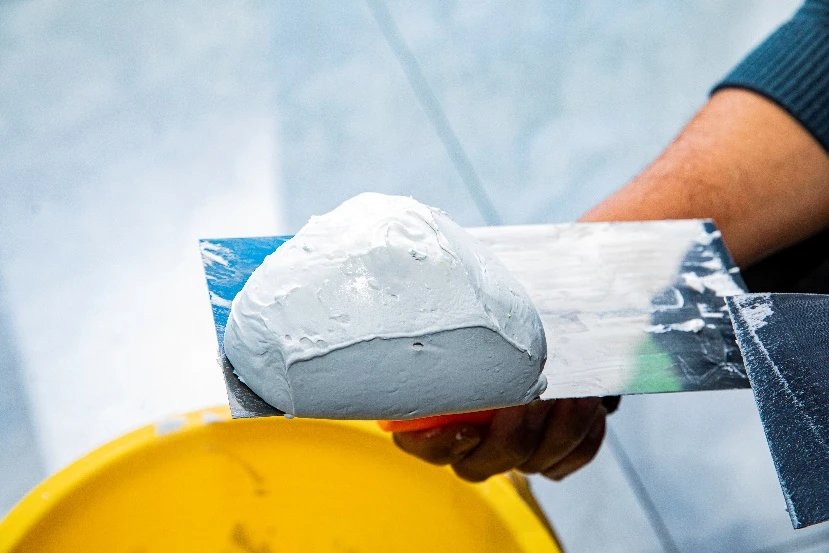
When we think of modified starch , it’s often associated with food and textiles, but its applications go far beyond those sectors. In the industrial and construction fields, modified starch plays an essential role, particularly in improving the performance and durability of various materials. From enhancing the properties of building products to aiding in construction processes, starch ether for construction has become a versatile additive. This article will delve into the modified starch uses in industrial buildings, showcasing the wide range of benefits it offers to the construction industry. Types of Modified Starch for Industrial Construction Modified starch is not a one-size-fits-all solution. There are various types of modified starch designed for specific applications within the construction industry. These modifications often involve chemical processes such as esterification, etherification, or cross-linking, which alter the starch’s properties for better performance. For example, starch ether for construction is specially designed to improve the rheological properties of cement-based products and other construction materials. These starches can be tailored to provide better viscosity control, improve adhesion, or enhance water retention. For industrial buildings, the types of modified starch used include starches modified for specific performance traits. Some types are better for use in adhesive formulations, others for gypsum or cement mixtures, and some are ideal for improving the texture and workability of plaster or mortar. With these versatile types of modified starch, manufacturers can meet the diverse needs of the construction industry by providing products that are strong, durable, and easy to apply. Starch Ether for Construction Starch ether for construction is a key innovation in the construction sector. It is used to modify the properties of cement, plaster, and mortar to achieve desired results in terms of consistency, water retention, and bonding strength. The role of starch ether in construction materials is vital, as it enables manufacturers to create more efficient and workable products, which ultimately leads to better construction outcomes. For example, starch ether for construction can help increase the spreadability and uniformity of plaster, making it easier to apply and reducing the chances of air pockets or bubbles. Additionally, these modified starches can improve the workability of self-leveling floor compounds and tile adhesives, which are essential in modern industrial building projects. The ability to modify the properties of cement and mortar with starch ether helps construction companies streamline their processes and improve the quality of their finished structures. Starch Ether Manufacturers in the Construction Industry The growing demand for starch ether in construction materials has led to the emergence of numerous starch ether manufacturers who specialize in creating tailored products for the construction industry. These manufacturers use advanced technologies to modify starch, providing customers with a wide range of options to suit their specific needs. As the construction industry moves toward more sustainable and efficient building practices, starch ether manufacturers are continuously improving their products to ensure they meet evolving standards. By focusing on creating more eco-friendly, cost-effective, and high-performing starch ethers, these manufacturers are playing a crucial role in the transformation of industrial building materials. Their products are increasingly being used in everything from lightweight concrete to high-performance adhesives, showcasing the versatility and importance of starch ether in modern construction. Benefits of Using Modified Starch in Industrial Construction The use of modified starch in industrial construction offers a wide array of benefits. By enhancing the properties of construction materials, these starches contribute to the strength, durability, and functionality of buildings and structures. Modified starch offers improved water retention, which is essential for the workability of plaster, mortar, and cement mixtures. This allows construction workers to apply the materials more easily and with greater precision. Another key benefit is the enhanced adhesion and bonding strength provided by starch ether for construction . This ensures that materials such as tiles, plaster, and adhesives stay securely in place, reducing the likelihood of cracking, peeling, or separation over time. Additionally, modified starch can help improve the texture and finish of construction materials, providing a smoother and more aesthetically pleasing result. As a result, buildings made with materials containing modified starch are more resilient and visually appealing. The Future of Modified Starch Uses in Construction The future of modified starch in construction looks promising. As the industry continues to evolve, the demand for sustainable and high-performance materials is increasing. Starch ether for construction has already proven its value, and future innovations in starch modification will likely enhance its application even further. Researchers are exploring ways to make modified starch more versatile, such as creating starch-based products that offer even better moisture resistance, increased fire retardancy, and improved environmental impact. The role of modified starch will only grow as construction companies and manufacturers embrace green building practices. Starch is a renewable resource, making it an ideal choice for companies looking to reduce their carbon footprint and produce more sustainable building materials. As more and more starch ether manufacturers develop eco-friendly products, the use of modified starch will become an integral part of the construction industry's move toward sustainability. Modified Starch FAQs What is modified starch and why is it used in construction? Modified starch refers to starch that has been chemically altered to enhance its properties. In construction, it is used to improve the workability, adhesion, and water retention of materials like plaster, mortar, and cement. What are the benefits of using starch ether in construction? Starch ether for construction offers improved workability, better adhesion, and enhanced water retention in construction materials. It helps improve the performance and durability of plaster, mortar, adhesives, and other building materials. Who are the leading starch ether manufacturers in the construction industry? There are many reputable starch ether manufacturers specializing in producing modified starch for construction. These manufacturers focus on delivering high-performance, eco-friendly, and cost-effective starch ether products tailored to the needs of the construction industry. Can modified starch improve the quality of plaster and cement? Yes, modified starch significantly improves the quality of plaster and cement. It enhances water retention, which allows for better workability, and improves adhesion, ensuring that these materials stay intact over time. Is modified starch environmentally friendly? Yes, modified starch is an environmentally friendly material. It is derived from renewable resources like corn, wheat, or potatoes, making it a sustainable option for construction applications. Moreover, starch-based products are biodegradable and have minimal environmental impact compared to synthetic alternatives. Investing in modified starch for your construction projects can significantly improve the quality and performance of your materials while promoting sustainability. Explore our range of starch ether for construction products and see how they can enhance your building processes. Visit our website today to learn more and purchase high-quality starch ether that meets your specific construction needs.
advantages
-

200000 Viscosities
Excellent product
We can produce pure products up to 200,000 viscosities
-

40000 tons
High yield
We don’t stop production all year round, and the annual output can reach 40,000 tons
-

24 hours
Quality service
We provide 24-hours online reception service, welcome to consult at any time
———— Inquiry Form
Schedule A services
-
 monofilament_fiber_for_concrete
Oct . 25, 2025
The Role of Hydroxypropyl Starch Phosphate in Hair Care Products In recent years, the beauty and per -
 pure_synthetic_fibre
Oct . 25, 2025
Understanding the Price of Dispersible Polymer Powder Trends and Implications The global market for -
 most_common_retarder_in_gypsum
Oct . 25, 2025
Fiber reinforced polypropylene (FRP) represents a groundbreaking advance in material science, unique


